Blueshift Information Systems provides infrastructure architecture, cybersecurity engineering, software development, platform operations, and private AI implementations.
The work focuses on production systems where infrastructure, applications, security controls, and operations must work together reliably over time.
Cloud and hybrid architecture that must remain maintainable after deployment
Security controls aligned with identity systems, network boundaries, and deployed software
Operational ownership, recovery planning, and documentation required for day-two operations
Infrastructure
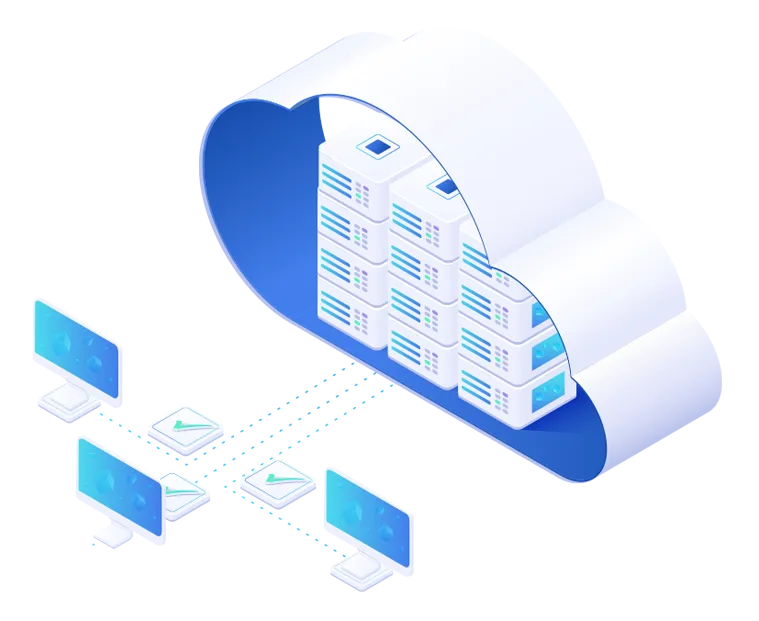
Cloud, hybrid, Linux, storage, and recovery architecture designed as a unified platform.
Security
Identity systems, segmentation, hardening, and remediation planning grounded in the deployed environment.
Operations
Platform sustainment, hosting, and operational ownership with direct engineering responsibility.
Service Architecture
Technical responsibilities aligned to the systems clients actually have to run.
Blueshift supports organizations that need senior technical judgment across infrastructure, security, software, and operations, especially where regulated workflows, research environments, or lean internal IT leadership make generic delivery models a poor fit.
The work is scoped around systems that must remain supportable after deployment, not just around isolated projects or procurement events.
That includes environments where cloud platforms, identity systems, storage, cybersecurity controls, application delivery, and operational ownership all affect one another.
For compliance-sensitive teams, the value is in making those decisions as one supportable operating model rather than as disconnected tasks.
01
Cybersecurity Consulting
Security assessments, identity architecture review, segmentation design, Linux hardening, and remediation planning tied to the deployed environment and operating model.
02
Infrastructure Architecture and Builds
Compute, networking, storage, access, backup, and recovery architecture planned as one maintainable system rather than separate infrastructure purchases.
03
Cloud and Hybrid Infrastructure
AWS, Azure, and hybrid operating models selected for fit, with workload placement, identity boundaries, and operational responsibilities made explicit.
04
Infrastructure Hosting
Engineering-led hosting for controlled environments, Linux application stacks, containers, and storage-backed workloads that require direct operational ownership.
05
Software Development
Application engineering, platform modernization, and integration work aligned with deployment architecture, security controls, and long-term maintainability.
06
Private AI Infrastructure
Private retrieval, model hosting, secure gateways, orchestration, and operational controls for internal AI systems that must remain governable over time.
07
Compliance and Governance Support
Implementation-aware control alignment, documentation discipline, audit preparation support, and gap identification for regulated or review-sensitive environments.
08
Network and Security Platform Procurement
Firewall refresh planning, licensing guidance, hardware sourcing, and deployment-context coordination tied to architecture and operating requirements.
Engagement Model
Assess. Design. Build. Secure. Operate. Improve.
Production systems evolve over time.
Blueshift engagements follow a structured progression from environment assessment through architecture, implementation, security hardening, and long-term operational support.
1
Assess
Establish current-state truth, identify constraints, and separate actual risks from generic noise.
2
Design
Translate findings into a system architecture, operating model, and decision set that can be defended later.
3
Build
Implement with attention to topology, documentation quality, recovery readiness, and long-term maintainability.
4
Secure
Apply hardening, identity controls, segmentation, and remediation measures that match the actual stack.
5
Operate
Support the environment with clear ownership, monitoring, backup realism, and day-two continuity planning.
6
Improve
Refine architecture and controls as the system matures, scales, or moves into new compliance and delivery demands.
Industries and Regulated Environments
Built for environments where operational continuity, security, and technical judgment materially affect outcomes.
Blueshift fits best in organizations where infrastructure decisions carry long-term operational, security, or compliance consequences.
The work is strongest where systems must remain supportable over time rather than merely deployed quickly.
That includes biotech, therapeutics, and other regulated environments in San Diego and across the United States where cloud platforms, data handling, identity controls, and recovery planning need senior engineering discipline.
Biotech and therapeuticsClinical and research environmentsFDA-related operationsCompliance-sensitive organizationsData-intensive platforms
Private AI Infrastructure
AI treated as infrastructure and operational software, not novelty tooling.
Private AI systems require clearly defined data boundaries, identity controls, hosting architecture, and operational ownership.
Blueshift approaches AI implementation as a systems engineering problem integrated into the broader platform environment.
Controlled deployment
Model hosting or secure gateway patterns selected for security, sustainment, and cost control.
Private retrieval
Internal workflow integration with explicit storage, logging, and access boundaries.
Operational ownership
Monitoring, remediation, upgrades, and support pathways defined before systems go live.
About Blueshift
Senior engineering involvement from assessment through long-term operational support.
Blueshift Information Systems, Inc. was founded in 2008 to reduce translation loss between architecture decisions,
implementation work, security controls, and day-two operations. Our company focuses on environments where systems must remain stable,
supportable, and secure over long operational lifecycles.
Founded in San Diego by Craig MacKinder, Blueshift draws on more than 30 years of IT experience and authorship of two books on security and infrastructure.
The company also supports organizations that need implementation-aware technical leadership before they build a large internal function, including architecture direction, security prioritization, vendor oversight, and operational planning.
Cloud and hybrid infrastructureIdentity and access architectureSecurity controls and governance
Operational continuity and recoveryApplication and platform supportRegulated environment delivery